

Researchers from Northern Care Alliance have played a key role in developing the first international guideline for stroke-associated pneumonia.
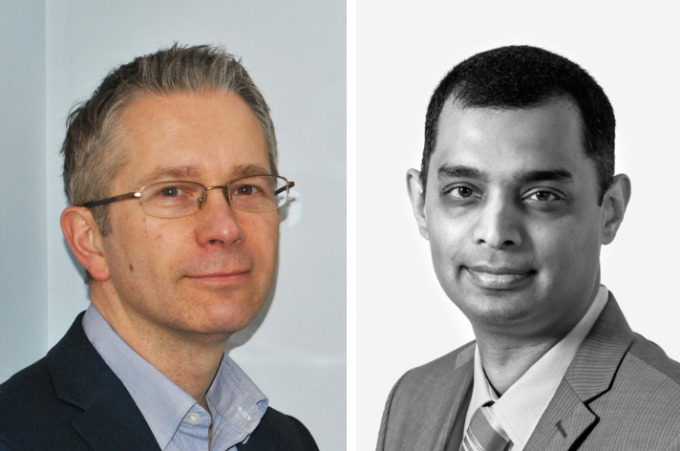
Professor Craig Smith and Dr Amit Kishore are stroke consultants at Salford Royal and have both led extensive research into pneumonia, one of the most common complications following a stroke.
It affects around one in eight patients and is associated with poorer recovery and survival, with around one in five affected patients not surviving. Survivors are likely to have longer hospital stays and are at increased risk of having a further stroke.
The new guideline aims to support healthcare professionals in diagnosing, preventing and treating stroke-associated pneumonia.
Antibiotic treatment
It recommends using standardised diagnostic criteria and starting antibiotic treatment promptly – ideally within a few hours – when pneumonia is suspected.
Major risk factors for this complication, which is usually as a result of aspiration, include problems with swallowing, reduced conscious levels as well as changes to the immune system.
To reduce the risks of patients developing stroke-associated pneumonia, the guideline recommends simple measures such as appropriate patient positioning, safe nutrition and early mobilisation where suitable. Respiratory physiotherapy as part of post-stroke rehabilitation could improve breathing function and potentially reduce complications.
Some patients, such as those being fed by tube, may receive other treatments.
Further research
Prof Smith said: “As strong scientific evidence remains limited in post-stroke pneumonia, nine of the 15 recommendations in the guideline are based on expert consensus. This highlights the need for further research to improve care and outcomes for patients, especially looking at dysphagia-driven aspiration and the immune system.”
Some research is already underway – including projects led by colleagues at NCA, The University of Manchester and the Geoffrey Jefferson Brain Research centre, where Prof Smith is stroke theme lead.
He was the chief investigator for the NIHR-funded CHOSEN study which looked at whether manual or powered toothbrushing, guided by healthcare professionals, after stroke could reduce the likelihood of pneumonia. He now plans to plan lead a larger trial across the UK to test cost-effectiveness of the oral healthcare intervention. He is also the chief investigator for the NIHR-funded CLASP trial, which is investigating whether the addition of the anti-inflammatory antibiotic clarithromycin to treatment of post-stroke pneumonia leads to improved outcomes for patients.
Dr Kishore is currently part way through a MAHSC neuroscience clinical fellowship focused on stroke-associated pneumonia. He has built the only UK database integrating national stroke audit data with electronic patient records, enabling detailed analysis of pneumonia rates, risk factors and outcomes at scale. Alongside this, he has led a programme of systematic reviews examining how stroke-associated pneumonia is diagnosed and its impact on long-term survival.
The European stroke organisation guideline on stroke-associated pneumonia has been published in European Stroke Journal.